Resolution is central to choosing a slide scanner pathology solution; and while 20x works for routine histology, 40x increasingly represents the gold standard for diagnostic accuracy, AI development, and subspecialty workflows. The jump to 40x is not just “more detail"; it’s greater confidence, better nuclear clarity, improved telepathology, and long-term readiness as digital pathology evolves.
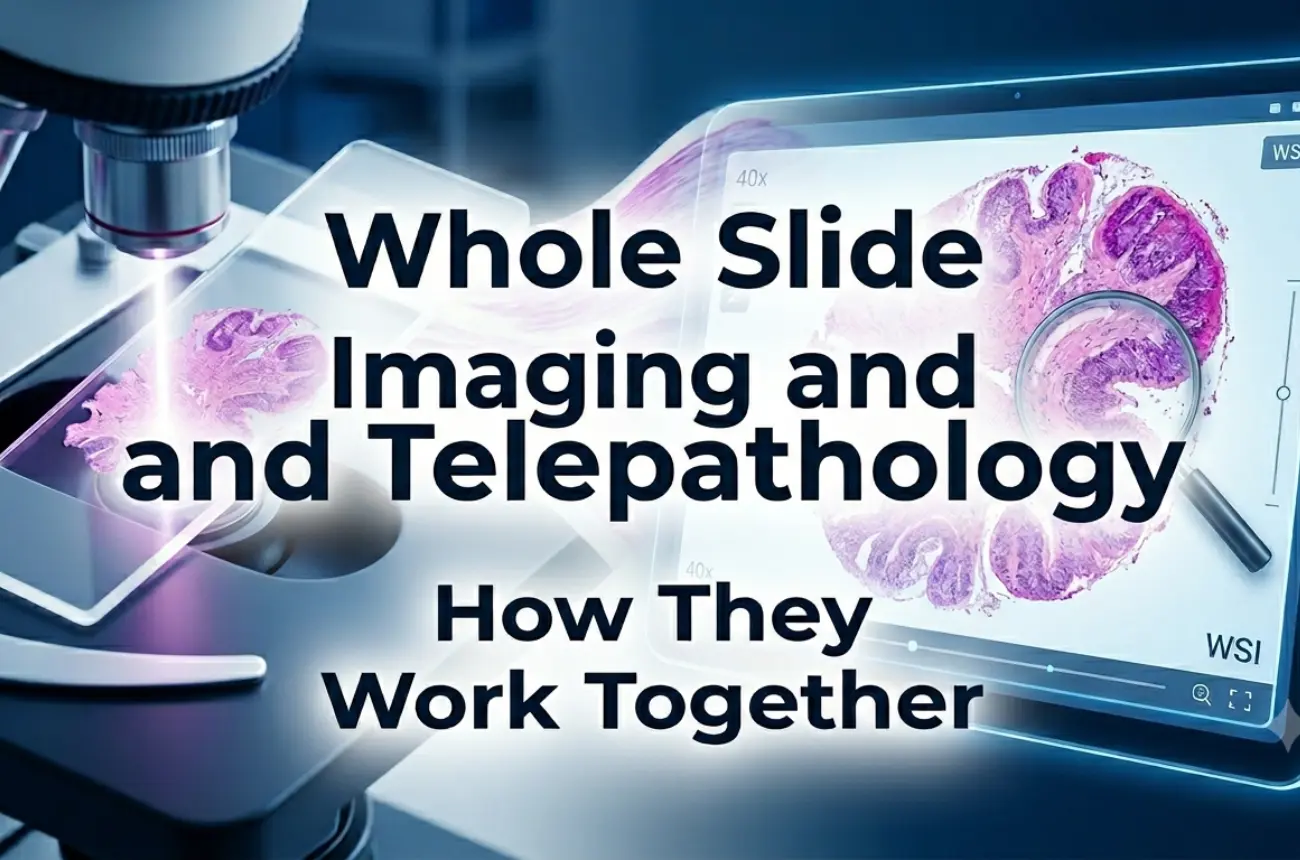
A whole slide imaging system digitizes entire slides for virtual microscopy, primarily at 20x or 40x.
20x is widely used, but 40x has become essential for cytology, hematology, and nuanced histologic evaluations.
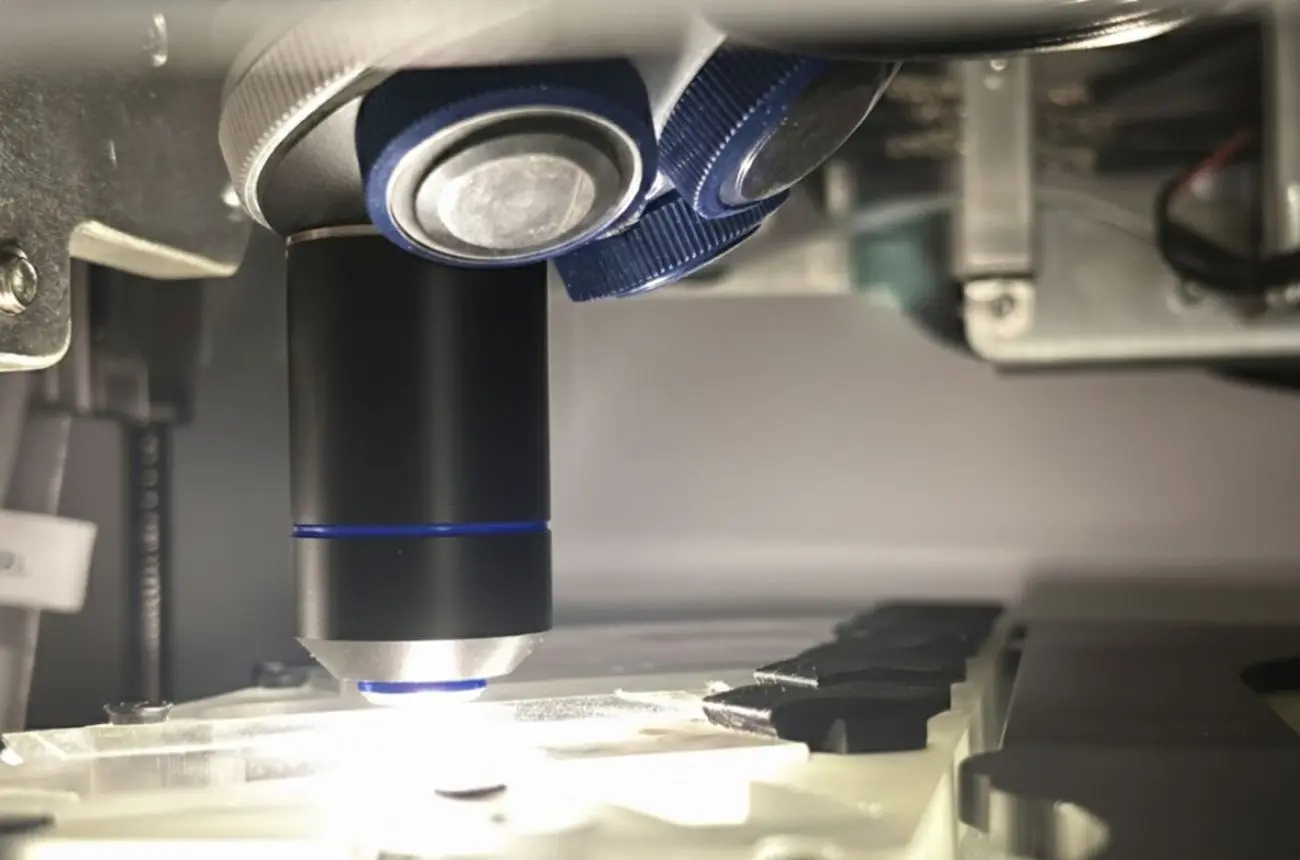
A digital pathology scanner or automated microscope slide scanner uses precision optics to capture these resolutions.
Most histology scanners, microscope scanners, and pathology slide scanners now support both magnifications, but their performance differs dramatically.
In modern digital pathology workflows, resolution drives interpretation quality:
While 20x remains adequate for pattern recognition, 40x provides a diagnostic safety margin—especially valuable in borderline or complex cases.
40x scans with 0.22 microns per pixel deliver unparalleled detail, supporting high-confidence reads even in challenging specimens.
This advantage cannot be replicated by digital zooming from a 20x scan.
At 40x, scanners maintain tighter focus tolerances, revealing nuances that often determine diagnostic direction.
Many digital pathology companies now optimize Z-stacking specifically around 40x workflows.
High-quality viewers now stream 40x slides smoothly, minimizing traditional bottlenecks. This improves the virtual microscopy experience dramatically.
AI tools benefit greatly from 40x detail.
Most high-performance AI in histopathology models are trained using 40x data because subtle nuclear changes matter.
The technical ecosystem has shifted: 40x is no longer “only for special cases”—it is becoming the default for forward-looking digital labs.
However, with modern high-speed scanners and efficient viewers, these limitations are increasingly manageable—and the diagnostic advantages often outweigh them.
Regulatory bodies emphasize image quality and reproducibility.
40x scans help satisfy:
Choosing 40x for primary diagnosis supports a more defensible digital workflow.
40x scanning is strongly recommended for:
You can explore a real 40x scan here
When selecting a digital pathology solution, ask:
If the answer is “yes” to any of these, 40x should be your primary magnification.
Get tailored scanner recommendations here: choose-your-scanner
The digital pathology industry is rapidly moving toward 40x-first workflows. Emerging trends include:
As both clinical and AI demands grow, 40x will likely become the new baseline for digital pathology.
Morphle scanners are engineered to deliver outstanding clarity at high magnification, with features including:
These capabilities ensure that labs adopting 40x resolution get the detail, speed, and reliability they need.
For personalized assistance, reach out : Team Morphle
Request our scan library here


.webp)
.webp)
.webp)
.webp)
.webp)
.webp)