Telepathology for Second Opinions: Best Practices
TL;DR
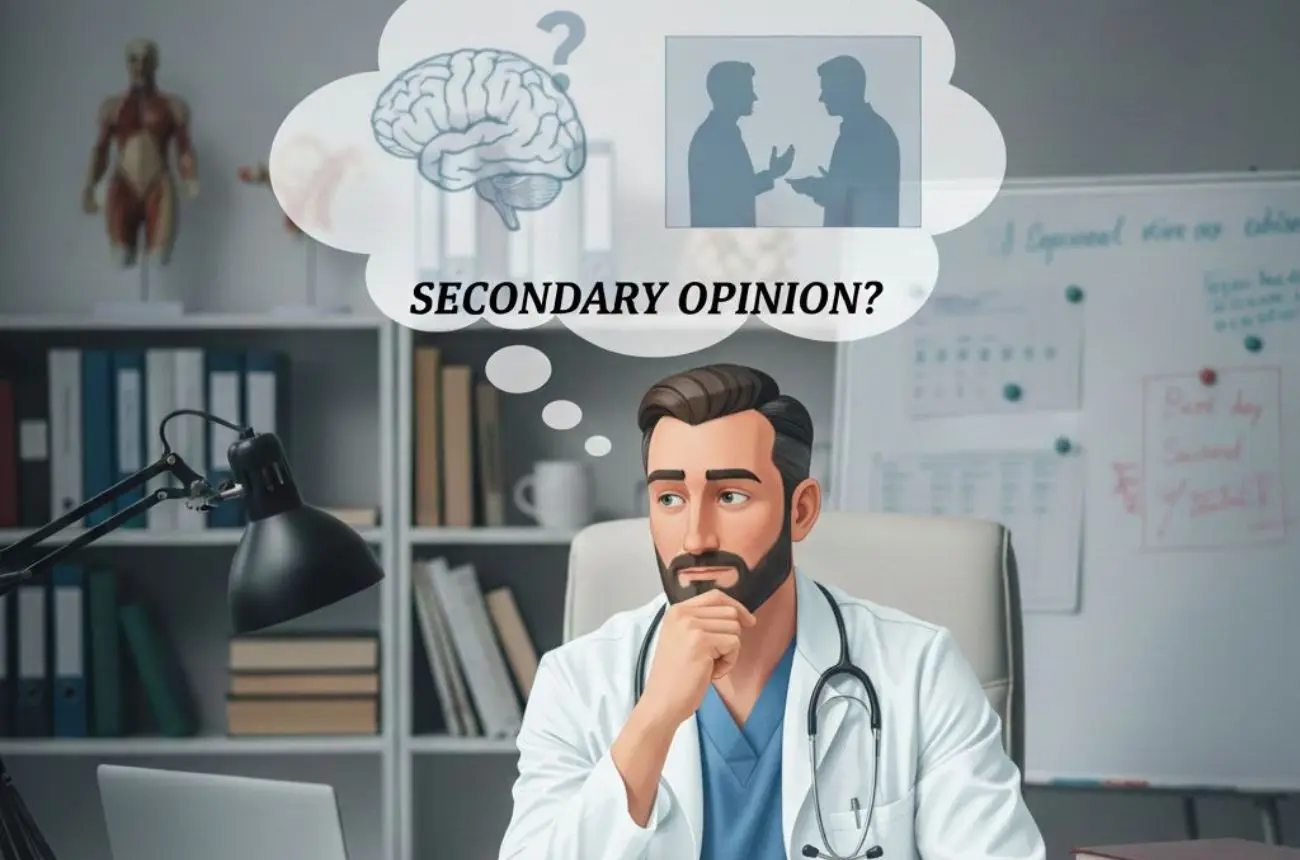
Telepathology has transformed the way pathologists collaborate, enabling rapid second opinions; even across countries. But high-quality telepathology depends heavily on the capabilities of your digital pathology scanner, your whole slide scanning workflow, and the performance of your viewing platform. This guide outlines best practices to ensure reliable, fast, and clinically accurate second opinions using digital pathology.
What You’ll Learn
- How tele-pathology workflows operate
- Essential terms used in digital second-opinion workflows
- Technical factors that impact diagnostic accuracy
- Benefits and limitations of tele-pathology
- Compliance considerations when sharing digital slides
- How to select the right system for remote review
Definitions: Key Terms in Telepathology
Digital Pathology Scanner
A high-resolution imaging device that converts physical slides into digital formats for remote review, diagnosis, and collaboration.
Whole Slide Scanning
The process of digitizing an entire specimen using an automated microscope slide scanner or whole slide scanner.
Slide Scanner Histology / Pathology Slide Scanner / Microscope Scanner / Histology Scanner
Different terms used by digital pathology companies to describe scanners optimized for histopathology, cytology, and research slides.
Workflow: How Telepathology Enables Reliable Second Opinions
A successful tele-pathology workflow begins with the scanning process and ends with accurate remote diagnosis.
- Slide Preparation – Proper staining, cover-slipping, and QC checks.
- Digital Capture – The digital pathology scanner performs whole slide scanning at diagnostic resolution.
- Image Processing – Stitching, color balancing, and focus validation.
- Cloud or On-Prem Viewing – Pathologists access slides remotely via a secure viewer.
- Second Opinion Review – Experts review, annotate, and discuss findings.
- Documentation & Reporting – Reports and notes are stored with audit trails.
Telepathology depends on each stage functioning smoothly, especially the viewer and sharing mechanisms.
Technical Factors: What Impacts Telepathology Quality?
1. Resolution & Optical Quality
Second opinions often require examination of fine cytological or nuclear details. A high-performance digital pathology scanner with strong optics ensures that remote experts see diagnostically relevant information without artifacts.
2. Focus Consistency
Poor focus reduces confidence in remote diagnoses and may require rescanning. Automated microscope slide scanners with accurate focus mapping and Z-stack support are ideal for complex tissues.
3. File Size & Streaming
Large files can slow remote viewing. Efficient compression and viewer-side rendering make virtual microscopy seamless even at distance.
4. Bandwidth Requirements
Telepathology should not require enterprise-level internet speeds. A well-optimized viewer allows smooth navigation even on modest connections.
5. Annotation & Collaboration Tools
For second opinions, pathologists need:
- markup tools
- ROI (Region of Interest) sharing
- synchronized viewing
- versioning and traceability
These features dramatically improve communication quality.
Benefits vs Limitations of Telepathology for Second Opinions
Benefits
- Rapid access to subspecialty expertise
- No physical shipping, reducing delays
- Reduced risk of slide damage
- Improved diagnostic confidence
- Better utilization of expert pathologists
- Seamless teaching and case discussions
Limitations
- Dependence on scanner speed and quality
- Viewer performance issues if bandwidth is limited
- Storage requirements for whole slide scanning
- Need for clear compliance and data-sharing protocols
When infrastructure is properly chosen, limitations are minimal.
Compliance Considerations
Telepathology involves patient data, so it must comply with:
- HIPAA / GDPR guidelines
- Local data protection laws
- Lab accreditation requirements
- Secure encryption and authentication
- Audit trails for all shared and viewed slides
Second opinions must maintain chain-of-custody integrity, ensuring every digital slide is traceable and unaltered.
Applications: When Telepathology Makes the Biggest Impact
- Subspecialty Consults – Dermatopathology, neuropathology, hematopathology.
- Rural or Smaller Labs – Remote access to expert pathologists.
- Emergency Diagnostics – Frozen sections, intra-operative consultations.
- Teaching & Tumor Boards – Shared digital slides with annotations.
- Quality Assurance – Peer review using access-controlled digital files.
Across these use cases, the quality of your scanner and viewer defines your diagnostic confidence.
Buying Guide: What to Look for in Telepathology-Ready Scanners
When evaluating solutions from digital pathology companies, consider:
- Optical clarity and magnification precision
- Reliable auto-focus and Z-stacking
- Fast scanning for urgent second opinions
- Viewer performance across bandwidth conditions
- Annotation, ROI sharing, and multi-user collaboration tools
- Storage flexibility (cloud, hybrid, or local)
- Transparent Digital Pathology Scanner price and long-term ownership costs
- Up-time, service, and durability of hardware
Future Trends in Telepathology
Telepathology is evolving rapidly, with the next generation of tools offering:
- AI-assisted triage for second opinions
- Real-time collaborative viewing between multiple pathologists
- Adaptive resolution streaming for low-bandwidth environments
- Automated pre-screening and ROI detection
- Cloud-native workflows with near-zero latency
As these technologies mature, telepathology will become the default method for multidisciplinary case review.
How Morphle Enhances Telepathology
Morphle scanners and the Morphle Web Viewer are purpose-built to make telepathology seamless:
- Web-based viewer accessible from any location—no software installation required.
- Low bandwidth requirement—slides load smoothly even at ~10 Mbps.
- Unlimited perpetual user licenses, eliminating the need for seat-based pricing.
- Multiple secure sharing options—temporary links, user-based access, or role-based permissions.
- Granular slide access control ensuring privacy and compliance.
- Region-of-interest (ROI) discussions and annotation tools that enable precise, expert collaboration.
- Reliable hardware with excellent optics, supporting consistent second-opinion workflows.
Morphle helps pathologists review, discuss, and diagnose cases remotely with confidence.
Choose a scanner which is right for you talk to the experts



.webp)
.webp)
.webp)
.webp)
.webp)
.webp)